
Hands-On Baking Skills
Practical training for people who want to bake properly
This program walks you through bread, pastry, and dessert techniques that professional bakers use daily. You'll measure ingredients accurately, understand dough behavior, troubleshoot common problems, and build recipes from foundation to finish. Each module focuses on repeatable methods rather than one-off recipes, so you gain skills that transfer across different baked goods.
How the program works
Foundation techniques first
We start with measuring, mixing, and understanding ingredient ratios. You'll work with basic doughs and batters until the process becomes automatic. No fancy equipment required—just standard tools and proper technique.
Weekly practical assignments
Each week includes step-by-step tasks you complete in your own kitchen. Submit photos of your work, note what went wrong, and get specific feedback on how to adjust next time. The assignments build on each other progressively.
Real troubleshooting practice
When dough doesn't rise or pastry turns out tough, we dig into why it happened and how to fix it. You'll learn to recognize problems early, adjust on the fly, and develop instinct for what's working and what isn't.
What you'll actually learn
Six modules covering bread, pastry, and dessert fundamentals
Bread basics and yeast behavior
Start with simple yeasted doughs—how gluten develops, when to stop kneading, how temperature affects rise time. You'll bake several basic loaves and learn to recognize proper dough texture by feel.
Covers white bread, whole grain variations, shaping techniques, and oven spring fundamentals. Includes common failures like dense crumb or collapsed structure.
Laminated dough and layering
Work with butter layers in croissant and puff pastry. This takes practice—you'll likely mess up the first attempt. We show you what proper lamination looks like and how to salvage dough that's warming up too fast.
Techniques for rolling, folding, temperature control, and achieving distinct flaky layers. Addresses butter leakage, uneven layers, and timing issues.
Custards and cream bases
Learn to make pastry cream, crème anglaise, and other cooked custards without curdling. Temperature control matters here—we teach you how to recognize doneness before it's too late.
Includes stovetop techniques, tempering eggs, proper whisking rhythm, and strain/chill procedures. Covers rescue methods for slightly broken custards.
Cake structure and moisture balance
Understand how cake batter works—when to cream butter, how to incorporate dry ingredients, why some cakes dome and others stay flat. You'll bake several types and compare results.
Covers sponge, butter, and chiffon cake methods. Addresses sinking centers, dry texture, tunneling, and uneven baking. Includes leveling and torting basics.
Tart and pie construction
Make short crust and sweet pastry that stays crisp under wet fillings. Learn blind baking, proper docking, and how to prevent shrinkage. Includes both savory and sweet applications.
Techniques for mixing pastry without overworking, chilling times, rolling to even thickness, and crimping edges. Covers soggy bottom prevention and pre-baking weights.
Chocolate work and tempering
Get chocolate to set with proper snap and shine. Tempering takes patience and precise temperature work—expect to burn through some chocolate while you learn the rhythm.
Includes seeding method, tabling technique, temperature ranges for dark and milk chocolate, and using tempered chocolate for decorations and coatings.
Who teaches these workshops
Instructors with professional kitchen experience

Ingrid Sølberg
Spent eight years in commercial bakeries before switching to teaching. Works with students who've never touched dough and professionals refining technique. Knows what goes wrong in home kitchens because she's seen it hundreds of times.
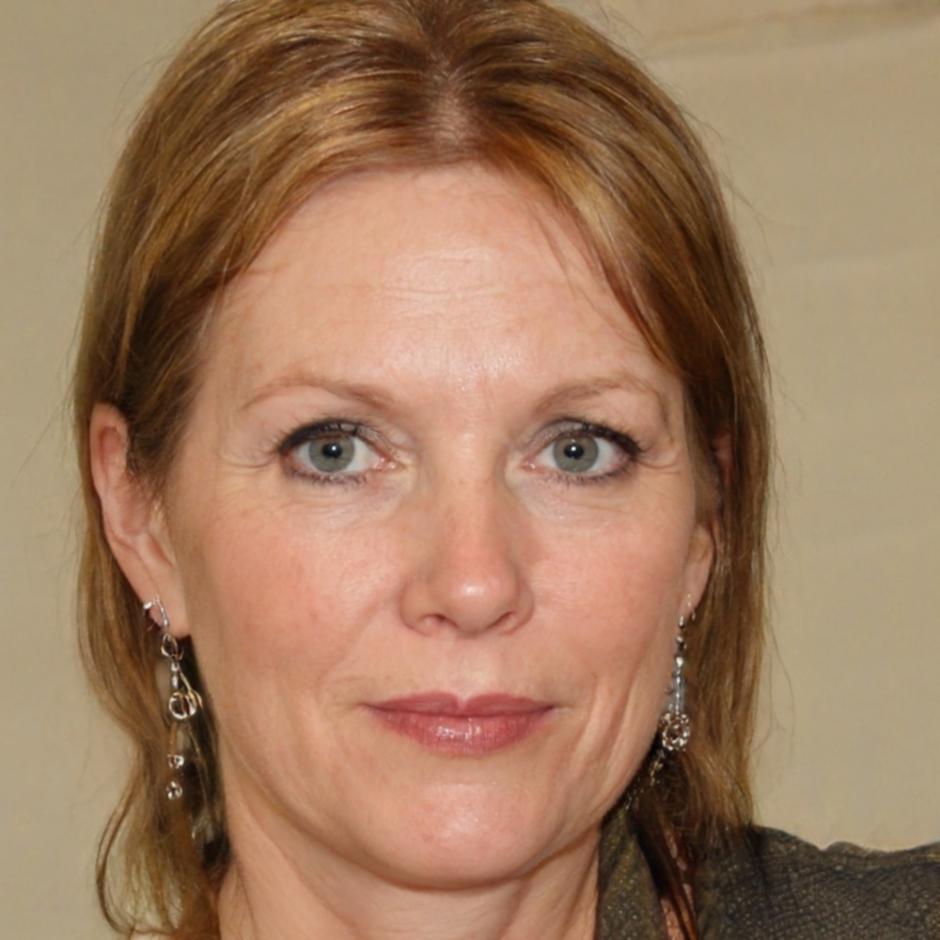
Elżbieta Voss
Focuses on naturally leavened breads and long fermentation methods. Teaches the science behind starter maintenance, dough strength development, and how environmental factors affect your results. Direct feedback style—tells you exactly what needs fixing.
Ready to start building actual baking skills?
The program runs continuously with new cohorts starting each month. Enrollment is open now. Check the full curriculum details or reach out if you have specific questions about what the workshops cover.